

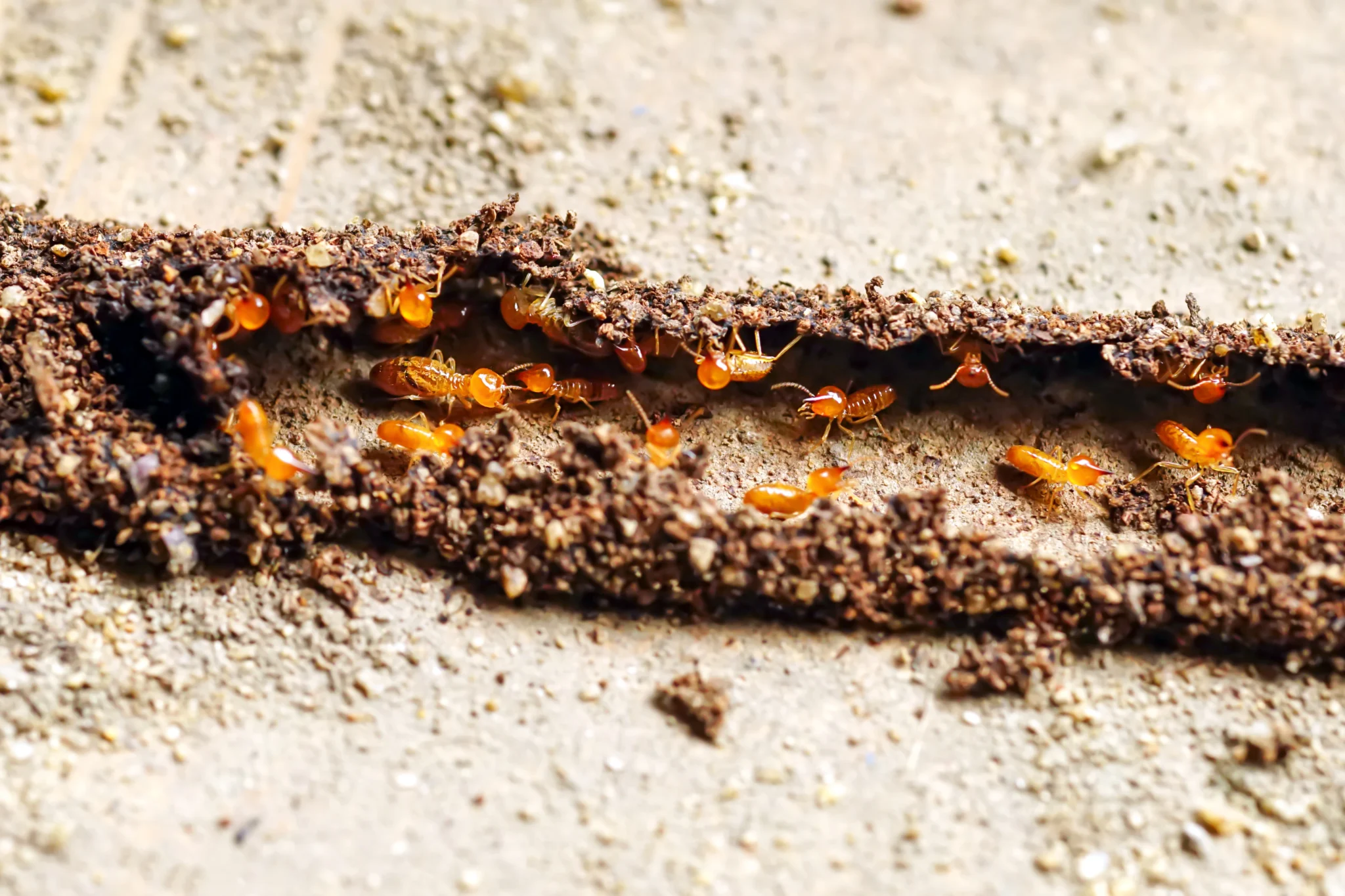
It is a common and frustrating situation for property owners to see pest problems affecting only certain homes on the same street. While one household struggles with rodents, insects, or termites, neighbouring properties may appear completely unaffected. This often leads to the assumption that pest activity spreads evenly, but in reality, pests are highly selective.
Pests target homes that offer the easiest access, reliable shelter, and consistent food sources. Even when houses are built around the same time and use similar materials, differences in maintenance, structure, and surrounding conditions can significantly influence pest activity. Understanding why pests focus on specific homes is the first step toward effective, long-term prevention.
How Roof Condition Influences Pest and Insect Access
The roof is one of the most overlooked entry points for pests. Small cracks, lifted tiles, damaged flashing, and gaps around vents allow birds, rodents, and insects to enter ceiling cavities unnoticed.
Homes with ageing or poorly maintained roofs are more vulnerable because deteriorating materials create warm, dry spaces that pests prefer for nesting. Ceiling voids offer protection from predators and weather, making them ideal shelter.
Investing in timely roof renovation plays an important role in preventing infestations. By sealing entry points and strengthening roof structures, property owners can reduce the likelihood of repeat pest problems in targeted homes.
Why Rodents Follow the Easiest Shelter
Rodents do not choose homes randomly. They follow the path of least resistance and are drawn to properties that provide easy access and safe shelter. Once rodents gain entry, they can spread rapidly.
Common factors that attract rodents include gaps around foundations, overgrown vegetation touching walls or roofs, damaged eaves or wall cavities, and accessible food sources such as unsecured bins or pet food. Once a suitable nesting area is established, rodents breed quickly, turning a small issue into a serious infestation.
This is why effective rodent control is essential in preventing certain homes from becoming repeated targets.
How Pest Control Identifies Property-Specific Risks
Not all homes face the same pest risks, which is why a one-size-fits-all approach rarely works. An experienced pest control service assesses each property individually rather than applying generic treatments.
Property-specific risk factors often include structural weaknesses, moisture build-up beneath floors or within walls, roof and subfloor conditions, landscaping and drainage issues, and nearby food or nesting sources. By identifying these vulnerabilities early, pest activity can be addressed at its source.
Effective pest management focuses on why the infestation is occurring, not just on removing pests temporarily.
Fixing the Factors That Attract Pests
Successful pest prevention involves more than chemical treatments or traps. It requires eliminating the conditions that make a property attractive to pests in the first place.
Key preventative measures include repairing roof damage and sealing internal gaps, improving ventilation to reduce moisture, clearing overgrown gardens near walls and roofs, securing food storage, and sealing cracks in foundations and walls. Homes that undergo regular maintenance, particularly roof inspections and structural sealing, are far less likely to experience recurring infestations.
Pairing these measures with a professional pest control service provides both immediate relief and long-term protection.
Wrap-Up: Why Prevention Isn’t Equal for Every Home
Pests target certain homes on the same street because those properties offer easier access, shelter, moisture, and food. While neighbouring houses may look similar, small differences in structure and maintenance make a significant impact.
Effective prevention requires a property-focused approach that includes roof inspections, proper ventilation, and targeted rodent control. Addressing vulnerabilities early ensures pests move on rather than settling in.
FAQs
Why do pests infest certain homes but ignore neighbours?
Pests target homes with easier access, warmth, moisture, and food sources, even if nearby houses appear similar.
Can roof damage really cause pest problems?
Yes. Ageing or damaged roofs create entry points and sheltered spaces that attract pests, especially in ceiling cavities.
Is pest control alone enough to stop infestations?
Not always. A combined approach that removes entry points and attractants is far more effective than treatment alone.
How fast can rodents multiply in a home?
Rodents can breed rapidly within weeks, especially when shelter and food are readily available, increasing structural and health risks.
How often should homes be inspected for pest risks?
Annual inspections are recommended, particularly for roofs, subfloors, and drainage areas. Poorly maintained or older homes may require more frequent checks.

Recent Comments