

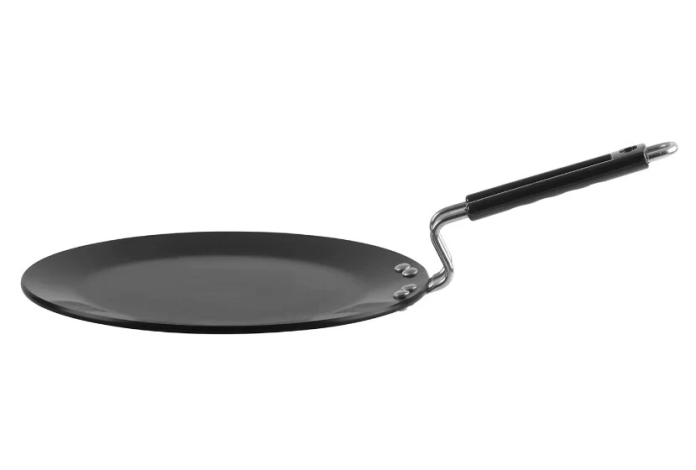
Cooking is a blend of skill, passion, and the right tools. Among these tools, a cast iron tawa holds a special place in kitchens, especially for those who love traditional Indian cooking. From crispy dosas to perfectly golden rotis, a good tawa ensures consistent results every time. The choice of a tawa pan is not just about convenience—it directly impacts the texture, flavour, and authenticity of the food. Investing in a high-quality cast iron tawa is a decision that pays off for years, combining durability, versatility, and superior cooking performance.
Why Cast Iron Tawas Are Essential
A cast iron tawa stands apart from regular pans due to its unique properties. Unlike aluminium or non-stick alternatives, cast iron distributes heat evenly and retains it for a longer time, making it ideal for flatbreads, pancakes, and dosas. Its ability to maintain uniform temperature ensures that foods cook consistently, without hotspots that can burn delicate dishes. This makes a tawa pan indispensable for households that value both efficiency and authenticity in cooking.
Another advantage is the longevity of cast iron. With proper care, a cast-iron tawa can last decades, often becoming a family heirloom passed down through generations. Over time, it develops a natural seasoning that enhances flavour and provides a non-stick surface, reducing the need for excess oil.
Key Features to Look for in a Cast Iron Tawa
When selecting a cast iron tawa, several factors determine its performance and durability:
- Thickness: Thicker tawas retain heat better and provide uniform cooking. A thin tawa may warp over time or heat unevenly.
- Surface Finish: Smooth surfaces are ideal for making dosas or pancakes, while slightly textured surfaces are better for flatbreads that require some grip.
- Seasoning: Pre-seasoned cast-iron tawas are convenient for immediate use, while raw versions require seasoning to build up a natural non-stick layer.
- Size: Choose a tawa that fits your stovetop and accommodates the type of cooking you frequently do. Larger tawas are great for multiple rotis, while smaller ones are sufficient for pancakes or small dosas.
- Handles: A sturdy handle ensures safe handling, especially when the tawa is hot. Some tawas come with long handles for easy flipping, while others have two short handles for stability.
Benefits of Using a Cast Iron Tawa
A cast iron tawa is more than a cooking surface; it transforms the cooking experience. Here are some of its key benefits:
- Even Heat Distribution: The dense material spreads heat uniformly, ensuring that rotis, parathas, and pancakes cook evenly without burning.
- Retention of Heat: Once heated, cast iron maintains temperature longer, making it perfect for dishes that require steady heat.
- Durability: With proper care, cast iron lasts for decades without losing its performance, unlike non-stick or aluminium pans.
- Health Benefits: Cooking on cast iron can add trace amounts of iron to your diet, which is beneficial for overall health.
- Versatility: A cast iron tawa is not limited to Indian cooking—it can be used for searing meats, making tortillas, or even roasting vegetables.
Maintaining Your Cast Iron Tawa
To ensure long-lasting performance, proper maintenance is crucial:
- Season Regularly: Apply a thin layer of oil and heat the tawa to maintain its non-stick surface.
- Avoid Harsh Detergents: Clean with warm water and a soft brush; harsh chemicals can strip the seasoning.
- Dry Thoroughly: Prevent rust by drying completely after washing.
- Store Properly: Keep the tawa in a dry place and avoid stacking heavy items on it to prevent warping.
Choosing Between a Cast Iron Tawa and a Tawa Pan
While all cast iron tawas are technically tawa pans, not all tawa pans are cast iron. Non-stick or aluminium tawa pans are lightweight and easy to handle, but often compromise on durability and flavour. A cast iron tawa, by contrast, improves with age. Over time, its surface becomes naturally non-stick, and the heat retention enhances the texture of the dishes cooked on it.
A high-quality tawa pan allows for even browning, ideal for traditional Indian flatbreads like chapati, paratha, and dosa. Its robustness also makes it suitable for high-heat cooking, which can be challenging with thinner pans. For home chefs who cook daily or aim for authentic textures, a cast-iron tawa is unmatched in performance.
Cooking Tips for a Cast Iron Tawa
Using a cast-iron tawa effectively requires some practice. Here are a few tips for optimal results:
- Preheat the tawa before adding batter or dough to ensure even cooking.
- Use minimal oil, as the seasoned surface will naturally prevent sticking.
- Avoid sudden temperature changes, such as adding cold batter to a very hot tawa, which can cause warping.
- Clean gently after each use to maintain the seasoning and prevent rust.
Conclusion
A cast-iron tawa is an investment in quality, durability, and authentic cooking. It enhances the flavour and texture of traditional Indian dishes while providing unmatched longevity compared to other cookware. For anyone serious about Indian cooking, having a reliable tawa pan in the kitchen is essential. Its versatility, heat retention, and ability to improve with time make it a tool that both professional chefs and home cooks value.
Whether you are preparing crispy dosas, soft chapatis, or hearty parathas, a cast-iron tawa ensures consistent results and becomes a kitchen companion for years to come. Embracing this traditional cookware not only connects you to culinary heritage but also elevates every meal you create, making it an indispensable addition to your kitchen arsenal.

Recent Comments