

The choice of a suitable material is highly essential in building, production, and design because it determines the duration of the structure, the effectiveness of the material, and the aesthetic appearance. Two of the most reliable materials include Anodized aluminium sheets and GI perforated sheets. Due to their particular characteristics and benefits, these materials are utilized across numerous various fields. In this post, we shall discuss the properties, advantages and applications of both substances.
What is anodise aluminium and why is it so common?
Anodized aluminium sheet (known as anodized aluminium) are aluminium sheets that have undergone a process of electrochemical treatment known as anodisation. This process causes the natural layer of oxide on the surface of the aluminium be thicker, stronger, and rust resistant. The resulting product is a material that is not only strength but is not bad to look at and it will have its shape after years.
Anodized aluminium has excellent application in industries that require light, strong and non-corrosive materials. Anodising process also allows you to dye aluminium in various hues hence the reason why it is a highly applicable option in interior and architectural design projects. Whether anodized aluminium sheets are applied into windows, facades, or ornamental panels, they make up an ideal blend of beauty and performance.
The strength and long-lastingness of GI perforated sheets
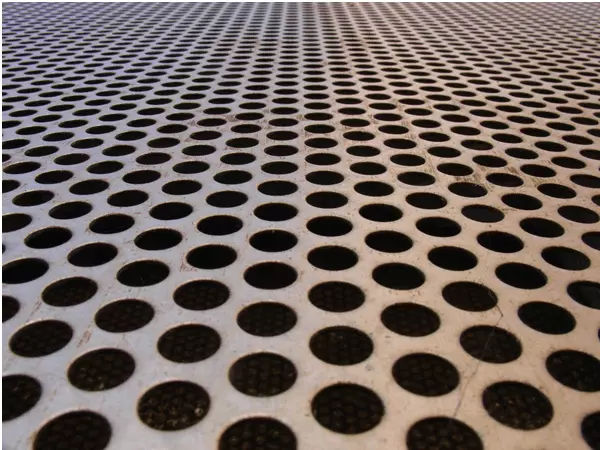
Galvanised Iron Perforated Sheets, or GI Perforated Sheets, are steel sheets that have been coated with a coating of zinc via a process called galvanisation. This protective layer keeps the metal from rusting and makes it stronger and longer-lasting. Adding holes or slots to the sheet makes it more flexible by making it lighter while keeping its strength.
People often utilise the GI Perforated Sheet in buildings, filtration systems, and architecture. Because it is strong, resistant to corrosion, and flexible, it is an excellent option for industries that need strong materials that can handle tough conditions. The perforated pattern in these sheets makes them seem better while yet being strong enough to do their job. They may be used for building facades or custom-designed ornamental screens.
Uses for anodized aluminium sheets
Anodized aluminium sheets may be used in a lot of different ways. Anodized aluminium is often used in architecture to make building facades, window frames, and ornamental panels for the inside of buildings. Architects can make buildings that look great and last a long time since they can withstand bad weather and be dyed in many colours.
Anodized aluminium is highly valued in the automotive and aerospace sectors because it is lightweight, strong, and resistant to corrosion. This makes it ideal for parts that have to work in tough conditions. Anodized aluminium sheets are also often used to make electronic enclosures and heat exchangers, which keep electronic gadgets safe and cool.
How GI Perforated Sheets Can Be Used in Many Ways
GI Perforated Sheet may be used in many different ways, from architecture to filtration. They are widely used in ornamental things like facades and divider screens since they can be made to fit varied hole patterns and sizes. GI Perforated Sheets are a great option for making patterns that are both useful and look good since they are strong and can be used in many different ways.
Creating filtering systems is another important use for GI perforated sheets. The holes let air, light, and fluids pass freely, which makes them perfect for use in ventilation grilles and industrial filters. Also, these sheets are widely used to make safety barriers, machine guards, and other structural parts that need to be strong and let air flow through.
Why should you use GI perforated sheets and anodized aluminium sheets?
Anodized aluminium sheets and GI perforated sheets each have their benefits that make them great for many uses. Anodized aluminium is recognised for being strong, flexible, and versatile, whereas GI perforated sheets are noted for being lightweight, resistant to corrosion, and good-looking. These materials work together to suit the needs of contemporary sectors, from architecture to manufacturing.
Conclusion
Because of their unique qualities, anodized aluminium sheets and GI perforated sheets are essential materials in contemporary design, building, and manufacturing. Because they are strong, look good, and can be used in many different ways, businesses all around the globe trust them to provide high-performance solutions. Dinco.ae is a good place to get these materials in the UAE. You may go through a lot of different possibilities there.
Frequently Asked Questions
- What is the difference between anodized aluminium and regular aluminium?
Anodized aluminium undergoes an electrochemical process that thickens its natural oxide layer, providing enhanced corrosion resistance and a more durable surface compared to regular aluminium.
- Can GI perforated sheets be used for decorative purposes?
Yes, GI perforated sheets are highly customizable and can be used for decorative applications such as building facades, partitions, and privacy screens.
- How does anodized aluminium compare to stainless steel in terms of corrosion resistance?
Anodized aluminium is highly resistant to corrosion, especially in outdoor environments. However, stainless steel may offer even higher corrosion resistance in extreme conditions. Both materials are excellent choices depending on the specific application.
- What are the most common uses for GI perforated sheets?
GI perforated sheets are used in applications like filtration systems, ventilation grilles, safety barriers, and architectural elements due to their strength and customizable perforation patterns.
- Is anodized aluminium suitable for outdoor applications?
Yes, anodized aluminium is ideal for outdoor applications because the anodization process makes it resistant to UV damage, corrosion, and weathering, ensuring it maintains its appearance and functionality over time.

Recent Comments