

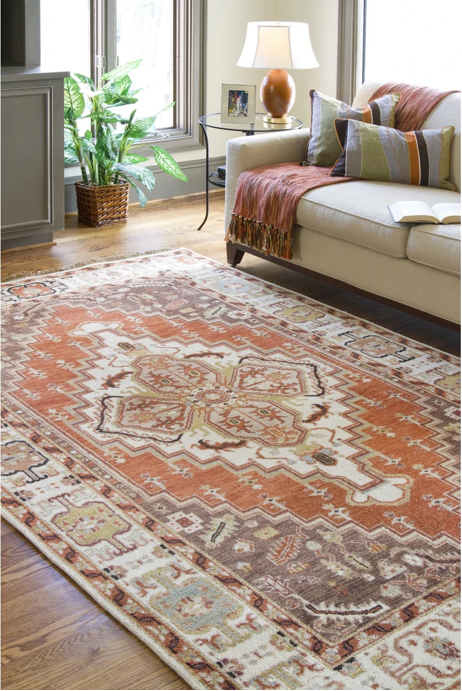
Minimalist interiors are known for clean lines, simple color palettes and uncluttered spaces. This style can make a home feel calm, modern and organized. However, when a room contains too many hard surfaces and plain finishes, it may also feel cold or unfinished. Rugs offer an effective way to add warmth, softness and visual interest without disturbing the simplicity of a minimalist design. The right rug can make a room feel more comfortable while preserving the clean and balanced appearance that defines this style.
Start with a Calm Color Palette
Minimalist rooms often use neutral colors such as white, beige, grey, cream and soft brown. A rug should support this palette rather than compete with it.
Homeowners can choose:
-
Warm beige for a soft and welcoming look
-
Light grey for a clean and modern feel
-
Cream for an airy and elegant appearance
-
Taupe for subtle depth
-
Muted earthy tones for natural warmth
A rug does not need to match the walls or furniture exactly. Slight variations in tone can prevent the room from appearing flat while maintaining a coordinated design. Collections such as Surya rugs include a wide range of neutral, textured and understated designs that can complement modern minimalist interiors.
Use Texture Instead of Bold Color
Texture is especially important in minimalist rooms because it adds visual depth without creating clutter. A rug with a subtle weave, raised pattern, or soft surface can make the room more inviting.
Different textures create different effects:
-
Wool rugs add softness and natural warmth
-
Flat-weave rugs provide a clean and structured look
-
Shag rugs create comfort in bedrooms or seating areas
-
Jute-style rugs introduce an organic feeling
-
High-low patterns add detail without strong color contrasts
The texture should suit the purpose of the room. A soft rug works well in a bedroom or living area, while a flatter and more durable design may be better for a dining room or hallway.
Choose the Right Rug Size
A rug that is too small can make a minimalist room feel disconnected. A larger rug usually creates a stronger foundation and helps furniture appear more organized.
In a living room, the rug should sit beneath the front legs of the sofa and chairs. This connects the furniture and creates one clearly defined seating area. In a bedroom, a rug can be placed beneath the bed so that it extends along the sides and the foot. This adds comfort and prevents the room from feeling too bare. For a dining room, the rug should be large enough for the chairs to remain on it when pulled away from the table.
Add Subtle Patterns
Minimalist design does not require completely plain surfaces. A rug with a simple pattern can add character without making the room feel busy.
Suitable patterns may include:
-
Fine geometric lines
-
Soft abstract designs
-
Faded traditional motifs
-
Gentle stripes
-
Tone-on-tone shapes
-
Natural woven patterns
The pattern should remain secondary to the overall room. A low-contrast design can provide interest while allowing furniture, lighting and architectural features to remain the main focus. Options such as Safavieh rugs are available in both modern and traditional-inspired styles, making it easier to find designs that add detail without overwhelming the space.
Layer Materials Carefully
Minimalist interiors often feel warmer when they include a mix of natural materials. Rugs can help connect wood, metal, glass, stone and fabric within the same room. For example, a textured rug can soften a room with concrete flooring, while a wool rug can balance sleek metal furniture. A natural-looking rug may also complement wooden tables, woven baskets or linen curtains. The aim is to introduce variety without adding unnecessary decoration.
Keep the Layout Simple
Rugs should support the room’s structure rather than create visual confusion. Avoid using too many small rugs in one area, as this can break up the floor and make the interior appear cluttered.
A simple layout may include:
-
One large rug in the living room
-
A runner in the hallway
-
A soft rug beside or beneath the bed
-
A practical rug under the dining table
-
A small rug in a reading corner
Each rug should have a clear purpose and enough space around it.
Consider Comfort and Maintenance
Appearance is important, but the rug should also suit daily life. High-traffic rooms may require low-pile or easy-care materials, while quieter spaces can support softer textures. Before purchasing, homeowners should consider durability, cleaning instructions, shedding, stain resistance and whether a rug pad is needed. A suitable pad can prevent movement, protect the floor and add extra cushioning.
Final Thoughts
Rugs can bring warmth, texture and comfort to minimalist interiors without reducing their simplicity. By choosing calm colors, subtle patterns, suitable sizes and carefully selected materials, homeowners can create rooms that feel both modern and welcoming. A well-chosen rug does not compete with minimalist design. Instead, it provides the softness and depth needed to make a simple space feel complete.

Recent Comments