

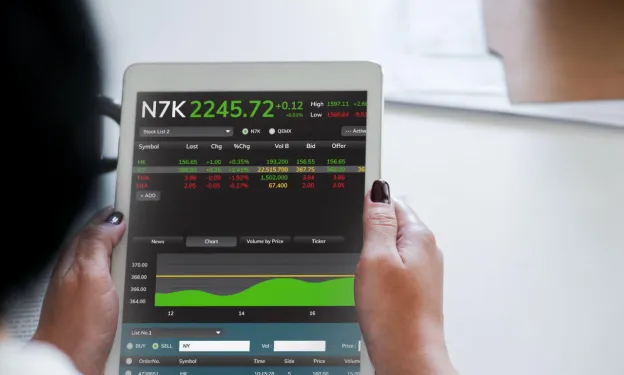
Agricultural commodity markets play an important role in connecting producers, processors, exporters, and market participants through standardized contracts that help manage price uncertainty. These markets respond to seasonal production, weather conditions, government policies, demand cycles, and global supply trends, making them dynamic environments that reward preparation over impulse. Learning how these factors interact gives traders a stronger foundation before entering positions involving NCDEX Trading.
Rather than focusing only on short-term price swings, experienced participants often evaluate broader agricultural trends alongside contract specifications and market liquidity. Consistent analysis, disciplined execution, and proper risk management contribute far more to long-term decision-making than reacting to sudden headlines. Understanding the structure of agricultural derivatives creates confidence before capital is placed at risk.
Why Agricultural Commodity Exchanges Matter
Agricultural exchanges bring transparency to commodity pricing by creating standardized contracts with clearly defined quality, quantity, and settlement conditions. This framework helps buyers and sellers participate within an organized marketplace instead of relying solely on decentralized negotiations. As a result, price discovery becomes more efficient for numerous agricultural products.
Beyond facilitating transactions, these exchanges improve market confidence by encouraging structured participation across different segments of the agricultural economy. Farmers, processors, exporters, institutional participants, and retail traders all benefit from consistent contract specifications that simplify planning while improving market accessibility for different trading objectives.
Market Forces That Shape Agricultural Prices
Every agricultural contract reflects multiple economic influences that continuously reshape supply and demand expectations. Weather disruptions, storage availability, transportation costs, export demand, and seasonal harvest cycles often create measurable shifts in pricing. Successful traders monitor these variables instead of relying exclusively on chart movements.
Government announcements, procurement policies, import regulations, and changing consumption patterns also contribute to market direction. When these elements are evaluated together, traders gain broader context for interpreting price behavior rather than reacting solely to daily volatility or isolated market events.
Seasonal Production Cycles
Many agricultural commodities experience recurring production seasons that naturally influence available supply. Traders who understand planting schedules, harvest periods, and inventory transitions often recognize recurring market behavior before significant price changes develop.
Weather and Climate Conditions
Rainfall distribution, temperature changes, droughts, floods, and unexpected climatic events directly affect crop yields. Since agricultural output depends heavily on environmental conditions, weather remains one of the most closely monitored variables throughout commodity markets.
Domestic and Global Demand
Consumption patterns continue evolving because of population growth, industrial usage, food processing requirements, and export opportunities. Strong demand combined with limited production frequently supports higher prices, while abundant inventories may produce the opposite effect.
Policy and Regulatory Changes
Minimum support prices, export restrictions, import duties, warehousing policies, and other regulatory developments influence trader expectations. Staying informed about official announcements helps market participants understand potential impacts before contracts respond.
Building a Structured Trading Plan
Preparation often separates disciplined traders from emotional participants. Instead of entering positions based solely on excitement, successful traders establish entry criteria, position size, acceptable risk, and profit objectives before placing an order. This structured process improves consistency across varying market conditions.
Several practical habits support stronger decision-making:
● Define acceptable risk before every position.
● Maintain realistic profit expectations.
● Record completed trades for future evaluation.
● Avoid increasing exposure after emotional losses.
● Follow predetermined exit rules without hesitation.
Technical Analysis Supports Better Timing
Charts help organize historical price movement into recognizable trends, support levels, resistance zones, and momentum patterns. Technical analysis does not predict future prices with certainty, yet it provides a systematic framework for evaluating potential opportunities using objective information instead of assumptions.
Indicators, candlestick formations, moving averages, and volume analysis become more valuable when combined with broader market understanding. Price action interpreted alongside agricultural fundamentals often provides greater perspective than relying upon a single analytical method alone.
Another helpful practice involves reviewing several timeframes before making decisions. Longer charts may reveal dominant trends, while shorter intervals assist with identifying potential entries and exits. Combining multiple perspectives encourages more balanced analysis during changing market environments.
Risk Management Deserves Equal Attention
Protecting capital remains just as important as identifying profitable opportunities. Even experienced traders encounter losing positions because agricultural markets respond quickly to unexpected developments. Effective risk management allows participants to remain active despite temporary setbacks.
Important protective measures include:
● Using stop-loss orders appropriately.
● Limiting overall portfolio exposure.
● Diversifying trading activity when suitable.
● Monitoring margin requirements regularly.
● Reviewing open positions as market conditions evolve.
Maintaining emotional discipline is equally valuable. Decisions driven by frustration or excessive confidence frequently introduce unnecessary exposure that could have been avoided through consistent planning.
Choosing Trading Technology That Supports Execution
Modern trading technology provides significantly more than simple order placement. Traders increasingly expect responsive charting, synchronized account access, execution transparency, and comprehensive portfolio monitoring from their trading environment. These capabilities improve operational efficiency while supporting informed decision-making throughout the trading session.
A dependable platform typically includes market data, multiple order types, execution reporting, margin visibility, and account management features that simplify daily trading activity. Educational resources and practice environments also help newer participants develop familiarity before committing capital to live markets.
Final Thoughts
Looking for a trading environment that supports informed agricultural market participation instead of unnecessary complexity? Choosing the right technology can strengthen both confidence and execution quality. Flow FX provides access to NCDEX agricultural commodities alongside other exchange segments, supported by web, desktop, Android, and iOS access, real-time pricing, charting tools, transparent order handling, demo account availability, and risk management features designed for organized market participation. Those evaluating an Online NCDEX Trading Platform should compare available tools, educational resources, execution capabilities, and account features before selecting a solution that aligns with their individual trading approach.

Recent Comments