

Introduction
Maintaining a well-organized home requires more than just cleaning and tidying. While housekeeping and household management are often used interchangeably, they represent two different areas of domestic support. Understanding the difference between these roles helps families choose the right type of assistance based on their lifestyle, property size, and personal needs.
What Is Housekeeping?
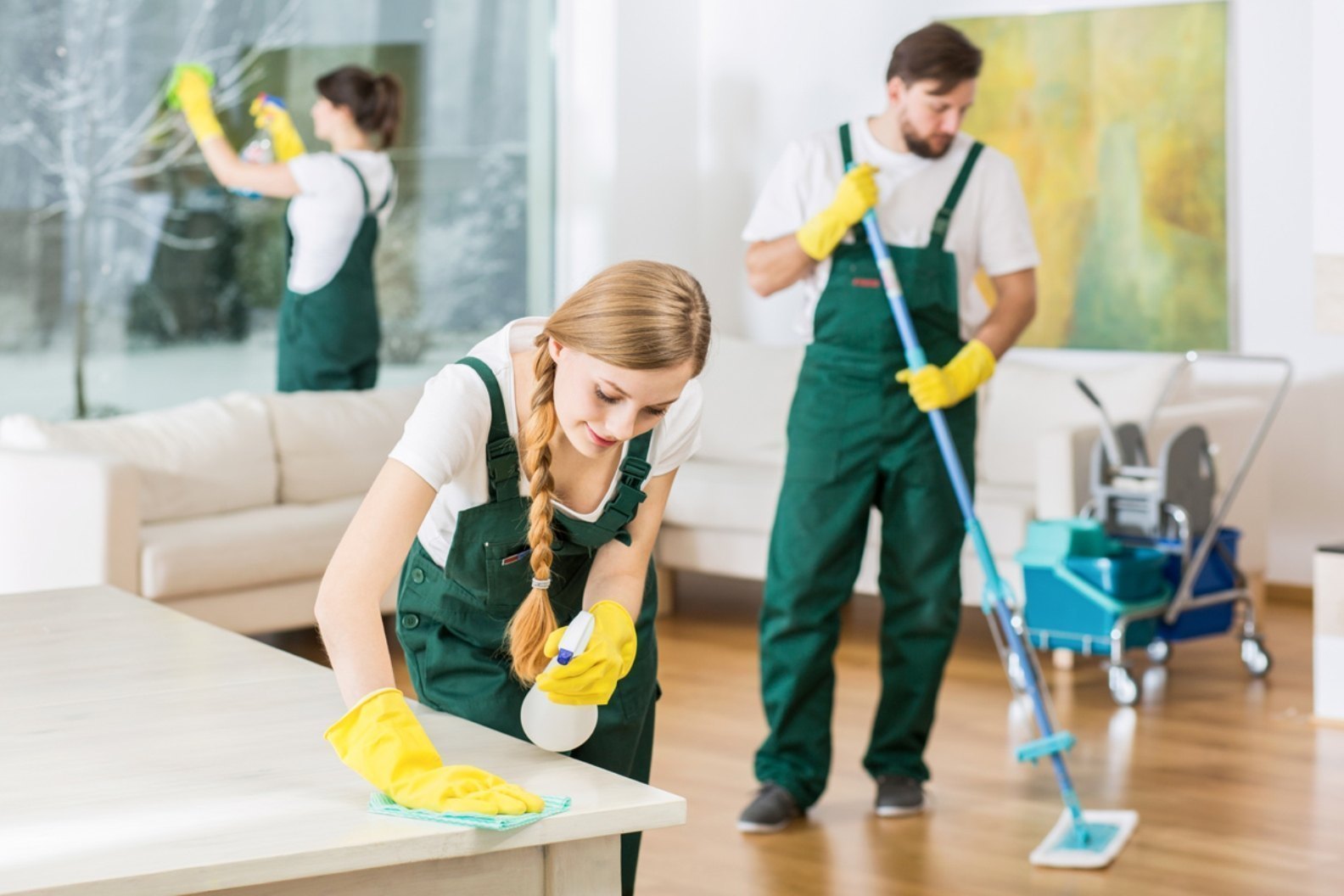
Housekeeping focuses primarily on maintaining the cleanliness, comfort, and appearance of a home. A housekeeper’s main responsibility is to ensure that living spaces remain hygienic, organized, and presentable daily.
Typical housekeeping duties include:
1. Cleaning and sanitizing rooms:
This includes dusting furniture, vacuuming carpets, mopping floors, cleaning bathrooms, and maintaining kitchen hygiene.
2. Laundry and wardrobe care:
Housekeepers may wash, iron, fold, and organize clothing, linens, and household fabrics.
3. Bed and linen management:
Changing bed sheets, preparing guest rooms, and ensuring bedrooms remain comfortable are common tasks.
4. Basic organization:
Housekeepers help keep household items arranged and maintain a clutter-free environment.
5. Household maintenance support:
They may identify repairs or issues that need attention, such as broken fixtures or maintenance requirements.
The primary goal of housekeeping is to create a clean, comfortable, and welcoming home environment. It is a practical role focused on the everyday upkeep of the property.
What Is Household Management?
Household management involves overseeing the overall operation of a home. It is a broader role that combines organization, planning, administration, and coordination of household activities.
A household manager typically handles responsibilities such as:
1. Managing household staff:
They recruit, train, schedule, and supervise domestic employees, including housekeepers, chefs, drivers, gardeners, and security personnel.
2. Coordinating maintenance:
Household managers arrange repairs, communicate with contractors, and ensure that property maintenance is completed efficiently.
3. Budget and expense management:
They may oversee household budgets, track expenses, manage invoices, and coordinate payments.
4. Event and guest management:
For large private residences, household managers organize dinners, parties, and special occasions.
5. Inventory control:
They monitor household supplies, luxury items, groceries, and other essential resources.
6. Lifestyle support:
They help families manage schedules, travel arrangements, appointments, and daily routines.
Unlike housekeeping, household management takes a strategic approach. The focus is not only on maintaining the home but also on ensuring that every aspect of household operations runs smoothly.
Key Differences Between Housekeeping and Household Management
Although both roles contribute to a comfortable home, their responsibilities differ in scope and level of involvement.
1. Scope of Responsibilities
Housekeeping is centred around cleaning, organization, and maintaining the physical appearance of the home. Household management covers a wider range of tasks, including staff coordination, financial organization, and property oversight.
2. Level of Authority
A housekeeper usually follows a set schedule and completes assigned duties. A household manager often has decision-making responsibilities and supervises other domestic staff.
3. Skills Required
Housekeepers require strong cleaning skills, attention to detail, and knowledge of household care. Household managers need leadership, communication, budgeting, planning, and problem-solving abilities.
4. Suitable Household Types
Housekeeping services are ideal for families needing regular cleaning and maintenance support. Household management is often required in large estates, luxury residences, or busy households with multiple staff members and complex requirements.
Conclusion
Housekeeping and household management play important but distinct roles in maintaining a successful household. Understanding these differences allows families to select the right support and create a more efficient, organized, and enjoyable living environment.

Recent Comments